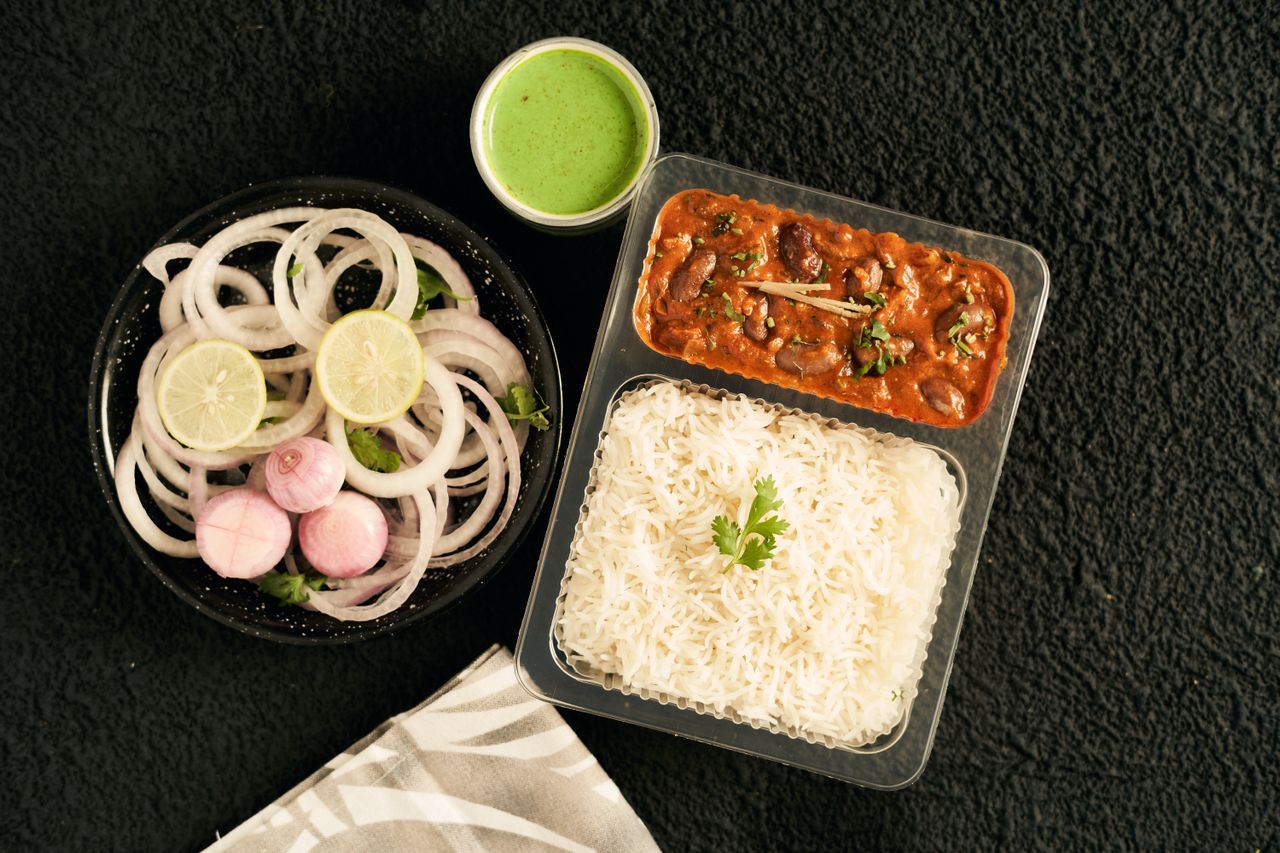
Starting a tiffin or home-food delivery business in India can be one of the most practical food businesses for an entrepreneur who wants to begin with relatively limited capital and build gradually. Unlike a traditional restaurant, a tiffin operation does not necessarily need a large dining area, expensive interiors, a prime-location storefront, or a huge menu. Its real product is something much more familiar: fresh, affordable, dependable food that feels like home. That simple proposition has powerful appeal in Indian cities where students live away from their families, professionals work long hours, bachelors struggle to cook regularly, elderly people may prefer delivered meals, and families sometimes need convenient meal solutions. India’s broader food-services industry is also expanding rapidly. Redseer valued India’s food-services market at about $80 billion in 2024 and projected roughly 10–11% annual growth through 2030, while Swiggy and Kearney’s 2025 report projected the market could exceed $125 billion by 2030. The opportunity, however, is not simply to cook food and put it into containers. A successful tiffin business is a combination of food quality, unit economics, customer service, delivery reliability, hygiene, smart packaging, local marketing, and repeat subscriptions. Think of it like building a small train: the kitchen is the engine, but purchasing, pricing, packaging, delivery, marketing, and customer retention are the coaches that make the entire business move. If one of those coaches repeatedly breaks down, customers eventually stop ordering. If you get the system right, however, even a modest home kitchen can develop into a recognizable local food brand.
Why the Tiffin Business Is Growing in India
The strongest reason behind the tiffin opportunity is not that Indians suddenly stopped cooking; it is almost the opposite. Home-cooked Indian food still carries enormous emotional and practical value, but modern lifestyles make cooking every meal difficult for many people. A student may have classes from morning until evening, a software professional may spend hours commuting and working, a small-business owner may not have time to prepare lunch, and a person living alone may find cooking for one person inconvenient and expensive. This creates a gap between what people want and what their schedules allow. They want dal, roti, sabzi, rice, curd, salad and other familiar foods, but they also want them delivered conveniently and consistently. India’s food-services market remains relatively underpenetrated compared with countries such as the United States and China, which suggests significant room for organized food businesses as eating habits change. A Redseer analysis cited India’s food-services market at only around 11–13% of total food consumption in 2024, compared with much higher proportions in the US and China. That does not mean every tiffin company will automatically succeed. It means there is a large consumer base whose relationship with prepared food is evolving. A smart entrepreneur can take advantage of this shift by avoiding the temptation to compete directly with every restaurant. Instead, the business can occupy a clear position: reliable everyday food at a reasonable price. That positioning is especially attractive in neighborhoods containing offices, colleges, hostels, PG accommodations, apartment complexes, coaching centers, hospitals and industrial workplaces. The closer you are to a concentrated customer group, the easier it becomes to deliver meals profitably. In other words, your first competitive advantage may not be a secret recipe; it may simply be choosing the right 2–4 kilometer service area.
Changing Indian Eating Habits
Indian consumers are also becoming more experimental while simultaneously becoming more conscious about health, convenience and value. Swiggy’s 2025 food-services report with Kearney highlighted both healthier eating and convenience as important trends, reporting that healthier and better-for-you meals were growing faster than overall orders and that consumers were ordering a wider variety of cuisines. This is particularly interesting for a tiffin operator because the business does not have to remain stuck with the old idea of one generic vegetarian thali. You can build different customer segments around different needs: a simple home-style lunch for office employees, a high-protein meal for fitness-conscious customers, a low-oil menu for health-conscious families, a Jain menu, a regional Indian menu, or a student-friendly budget meal. Regional food can also become a powerful differentiator. Swiggy and Kearney reported strong growth in hyper-regional cuisines, with some cuisines such as Goan, Bihari and Pahari growing substantially faster than mainstream categories. That points toward an important business lesson: specific can be stronger than generic. Instead of saying, “We sell Indian food,” imagine saying, “We deliver fresh Gujarati home-style lunch to offices within three kilometers,” or “We provide affordable high-protein vegetarian meals for gym members and working professionals.” The narrower proposition makes your marketing easier, your menu easier to design and your customers easier to identify. It also makes word-of-mouth more powerful because people can quickly explain your business to someone else. The best tiffin businesses often become part of a customer’s routine. Once someone trusts you to provide lunch every weekday, you are no longer fighting for an individual order every day; you are maintaining a recurring relationship.
The Demand for Affordable Home-Cooked Food
The biggest emotional advantage of a tiffin service is the word home. Restaurant food can be exciting, but eating restaurant meals every day can become expensive, heavy or repetitive. A tiffin business can position itself as the middle ground between cooking and ordering restaurant food: customers receive convenience without completely sacrificing the familiar character of home-style meals. This is particularly attractive to people who are away from their families. Imagine a student from another state who has moved to a city for college. What does that customer really want? They may not need an elaborate restaurant meal; they may simply want something that reminds them of home and arrives on time. The same principle applies to working professionals, newly relocated employees and people living in rented apartments. The opportunity becomes even stronger when the service offers predictable weekly or monthly subscriptions. Instead of asking a customer to decide what to eat every afternoon, you remove the decision completely. That convenience is valuable. It is also why a subscription model can be financially healthier than relying entirely on one-off orders. A customer who pays for 22 lunches at the beginning of the month gives the business better demand visibility, while the business can plan ingredients and production more efficiently. The customer gets convenience and potentially a better per-meal price. The business gets recurring revenue and a better basis for purchasing. That is a much stronger relationship than simply waiting for random orders to arrive through an app.
Is Tiffin Delivery a Good Business Idea?
Yes, a tiffin delivery business can be a very good business idea in India, but only when it is treated as a business rather than a cooking hobby. The distinction matters. Someone can make delicious food and still lose money because ingredients are poorly controlled, portions are inconsistent, delivery costs are too high, packaging is wasteful, or too many customers cancel subscriptions. The business must therefore be designed around a repeatable operating system. The good news is that tiffin businesses have an advantage that many restaurants would love to have: recurring demand. If your food is good and your service is dependable, a customer may order five, twenty or even hundreds of meals over time. The market itself supports the broader thesis. Redseer’s 2025 analysis estimated India’s food-services industry at approximately $80 billion in 2024, with organized food services driving much of the expected growth through 2030. Swiggy and Kearney’s later 2025 report projected India’s total food-services market to cross $125 billion by 2030, with organized food services growing roughly twice as fast as the unorganized segment. For a small entrepreneur, that does not mean you should immediately rent a giant commercial kitchen. In fact, the smarter approach is often the opposite: start small, prove demand in one locality, understand your economics, create repeat customers, and then expand. Your first goal should not be “become famous.” It should be serve 20 customers exceptionally well. Then 50. Then 100. Growth becomes much safer when each stage teaches you how to handle the next one.
The Market Opportunity
The opportunity becomes particularly attractive when you focus on dense customer clusters rather than an entire city. A tiffin company serving 100 customers scattered across 20 kilometers may be less profitable than one serving 100 customers within three or four kilometers. Delivery is one of the biggest hidden costs in food businesses, so geographic density matters. Suppose you have customers in three apartment complexes, two offices and one hostel located close together. You can prepare food in batches, pack it systematically and send multiple meals through one delivery route. That creates operating leverage. It is the same reason buses work better with many passengers traveling along a similar route than with one passenger demanding a private trip. Your business should therefore be built around customer clusters, delivery windows and recurring orders. There is also evidence that India’s online food ecosystem is increasingly supporting larger and more premium orders. Redseer reported in 2025 that the contribution of average order value to online food-delivery gross order value growth had increased significantly, suggesting customers were increasingly placing larger orders and choosing premium options. For a tiffin business, this can translate into family packs, weekly bundles, office group orders and premium meal plans. You do not have to rely only on a ₹100 single meal. You can potentially create a ₹700 weekly package, a ₹2,500 monthly lunch subscription, a ₹4,000 family plan, or a corporate meal arrangement depending on your market. The key is to test pricing locally rather than blindly copying competitors.
Choosing the Right Tiffin Business Model
There are several ways to structure a home-food business, and choosing the right model before spending money can save you from expensive mistakes. The simplest model is daily individual orders, where customers order lunch or dinner whenever they need it. This is easy to understand but produces unpredictable demand. A second model is the subscription tiffin, where customers purchase weekly or monthly plans. This creates more predictable revenue and allows you to plan purchasing and staffing. A third model is corporate tiffin delivery, where you supply meals to offices or small businesses in bulk. This can create large recurring orders but may involve stricter delivery times and negotiated pricing. A fourth model is specialized food, such as diabetic-friendly meals, high-protein vegetarian meals, Jain meals, regional cuisine or healthy office lunches. A fifth model combines these approaches: a standard daily menu plus premium add-ons such as paneer, extra protein, curd, dessert, salad or special regional dishes. The best model depends on your location and customers. If you are near a college, student subscriptions may dominate. Near an IT or business district, weekday office lunches may be stronger. Near a residential area, family dinner packs might work better. The important point is to avoid launching with twenty different products before you know what people actually want. Start with a small menu and let customer behavior tell you where to expand.
Daily Subscription Tiffins
A monthly tiffin subscription is one of the most attractive models because it turns unpredictable food sales into recurring revenue. For example, instead of selling one lunch for ₹100 every day, you could offer a 26-meal weekday plan with a small subscription discount. The customer benefits because they do not have to order every morning, while you benefit because you know roughly how many meals need to be prepared. Subscriptions also encourage customer retention. Someone who has already paid for a month is naturally more likely to continue using the service if the experience remains consistent. However, subscriptions create a promise: you must deliver every day as advertised. If the food quality drops, delivery becomes late, or the menu becomes boring, customers will not renew. A strong subscription should therefore have transparent terms, clear delivery windows, menu visibility and an easy pause or vacation policy. You can also offer multiple tiers, such as Basic, Standard and Premium, but do not make the difference confusing. The customer should instantly understand what they receive at each price. Another useful strategy is to provide a trial period rather than forcing a new customer into a full month immediately. A three-meal or five-meal trial can reduce the psychological barrier to purchase. If the food is genuinely good, the trial can become your strongest sales tool.
Specialized and Premium Tiffins
Specialization can help a small operator avoid direct price competition. Imagine two businesses. The first advertises “home food for everyone.” The second advertises “high-protein vegetarian office lunches with 30-day subscriptions.” Which one is easier to remember? The second. A specialized tiffin service can charge more when it solves a specific problem better than a generic competitor. India’s changing food preferences make this particularly relevant. Swiggy and Kearney’s 2025 report highlighted growing consumer interest in healthier meals, protein intake, calorie awareness and lower added sugar. You could build products around these preferences, provided your nutritional claims are accurate and your recipes are responsibly designed. Premium does not necessarily mean fancy. It can mean better ingredients, better packaging, more consistent portions, a rotating menu, improved presentation, or a clearly defined dietary proposition. You might also develop regional specialization. A Marathi home-food service, Gujarati lunch service, South Indian breakfast-and-lunch service or North Indian roti-sabzi service can create a stronger identity than a generic multi-cuisine kitchen. The trick is to choose a niche large enough to support recurring demand but narrow enough to give your brand a reason to exist.
Who Should You Target?
Your first customers should be people who have a repeated problem, not merely people who occasionally want food. Students, office employees, bachelors, PG residents, hospital attendants, teachers, shop employees and busy families are all possible segments. However, you should select one primary group at launch. A business that tries to serve everyone often ends up with a confusing menu, inconsistent pricing and scattered marketing. If you target office workers, for example, you can design around lunch delivery between 12:00 and 1:30, create office-friendly packaging, offer monthly plans and distribute samples around office buildings. If you target students, affordability and larger portions may matter more, and evening meals could become important. If you target families, reliability, variety and family packs may be more valuable than the lowest possible price. Customer segmentation is not just a marketing exercise; it affects your entire operation. The ingredients you buy, the portion sizes you prepare, the delivery schedule you create and the packaging you choose should all reflect the customer. A useful rule is to ask yourself: Who would be disappointed if my service disappeared tomorrow? If you can answer that clearly, you probably have the beginnings of a strong target market.
Students, Professionals and Families
Students are attractive because hostels and PGs create concentrated demand, but they are often price-sensitive. Professionals can provide stronger margins because convenience has higher value, especially when they are purchasing lunch five days a week. Families may provide larger orders and dinner opportunities but can demand more menu variety. Corporate customers can provide volume, although they may negotiate aggressively on price and expect strict delivery schedules. Rather than assuming one segment is universally best, test your locality. Spend a week mapping nearby hostels, offices, gyms, coaching centers, apartment complexes and hospitals. Talk to people. Ask what they currently eat, what they pay, what they dislike about their current options and what would convince them to switch. Ten genuine conversations can teach you more than an expensive advertising campaign. Once you identify the strongest segment, design your first offer around it. Customer discovery should come before kitchen expansion.
How Much Money Do You Need to Start?
One of the biggest attractions of a home-food business is that you can potentially start much smaller than a conventional restaurant. The exact investment depends on whether you already have a suitable kitchen, equipment, storage, delivery arrangements and staff. A very small operation might begin with existing kitchen equipment and spend primarily on ingredients, packaging, branding, licenses, basic marketing and delivery. A larger setup may require commercial equipment, additional refrigeration, stainless-steel work surfaces, exhaust systems, staff and a dedicated premises. The mistake is to spend heavily before proving that people will buy. Start with the minimum viable kitchen that can safely produce the volume you have already validated. A rough planning framework might look like this:
| Expense | Lean Start | Growing Setup |
|---|---|---|
| Kitchen equipment | ₹15,000–₹40,000 | ₹75,000–₹2,00,000+ |
| Initial ingredients | ₹5,000–₹15,000 | ₹20,000–₹50,000+ |
| Packaging | ₹3,000–₹10,000 | ₹15,000–₹30,000+ |
| Branding/marketing | ₹2,000–₹10,000 | ₹15,000–₹50,000+ |
| Delivery setup | ₹0–₹15,000 | ₹20,000–₹75,000+ |
| Compliance/miscellaneous | Variable | Variable |
| Indicative total | ₹25,000–₹90,000+ | ₹1.5 lakh–₹4 lakh+ |
These figures are planning estimates, not official market prices, because equipment, rent, city, menu, delivery model and scale can change the numbers substantially. The smarter financial question is not “How cheaply can I start?” but “How cheaply can I test the idea without compromising food safety?” Saving ₹10,000 on proper refrigeration or hygiene is not a clever business decision if it creates food-quality problems later. Your first investment should create the ability to produce consistent food safely and deliver it reliably.
Basic Startup Cost Breakdown
Your largest recurring expenses will generally be ingredients, labor, packaging, delivery and customer acquisition. Food cost needs to be measured rather than guessed. If you sell a meal for ₹100 and ingredients consume ₹55, the business may look busy but have little room left for packaging, labor, delivery, rent, utilities, wastage and marketing. Instead, calculate the complete cost of one meal. Weigh ingredients, record purchase prices, track wastage and calculate how many meals each batch produces. Then add packaging and delivery. This creates your true contribution margin. Once you know that number, you can make intelligent decisions. Perhaps your ₹120 meal is more profitable than your ₹100 meal because customers perceive the higher-value version as better. Perhaps offering delivery free of charge destroys your margin, while charging a small delivery fee outside your core zone improves profitability. Perhaps a monthly subscription produces enough volume to reduce food waste. Numbers turn guesses into decisions.
Creating a Profitable Tiffin Menu
A profitable tiffin menu should be simple enough to operate and interesting enough to retain customers. Many new food businesses make the same mistake: they create a restaurant-sized menu because they want to impress customers. The result is more ingredients, more inventory, more wastage, more preparation time and more operational complexity. A better approach is to create a rotating menu around a manageable ingredient base. For example, you could have a fixed core such as dal, rice, roti, salad and one vegetable, with rotating sabzis and occasional premium dishes. Ingredients can overlap intelligently across dishes. If coriander, onions, tomatoes, paneer, potatoes, lentils and seasonal vegetables appear across several menu items, purchasing becomes easier. You should also consider preparation time. A dish that tastes wonderful but requires three times as much labor as another dish may not be commercially sensible at your current price. Menu engineering is about balancing taste, cost, speed, nutrition, variety and customer expectations. Your menu should answer three questions immediately: What will I receive? How much does it cost? Why should I choose this instead of another option? The answer to the third question is your unique selling proposition.
Pricing Your Tiffin Service
Pricing is one of the hardest parts of a food business because customers compare prices quickly while entrepreneurs often underestimate their costs. Do not calculate your price simply by adding a small percentage to ingredient costs. Your selling price must contribute toward every operating expense and leave room for profit. Suppose a meal contains ₹40 of ingredients, ₹10 of packaging, ₹15 of delivery and ₹10 of variable labor and overhead. Your direct cost is already ₹75. Selling that meal for ₹80 might create the illusion of affordability while leaving almost no room for fixed expenses or profit. A more sustainable approach is to calculate your contribution margin and then test the market. You might offer a standard plan, a premium plan and add-ons. For example, an economical vegetarian meal could have one price, while extra paneer, curd, dessert or additional roti could carry separate charges. Subscription customers can receive a small effective discount because they create predictable demand. Corporate customers may receive volume pricing because delivery is concentrated. The important thing is to protect the economics. A customer who pays you ₹100 but costs you ₹105 is not a customer; they are a liability disguised as revenue.
Kitchen Setup and Food Safety
Food safety is not an optional feature of a tiffin business. It is the foundation of the brand. Your kitchen should have a clean workflow for receiving ingredients, storing them, preparing food, cooking, packing and dispatching. Raw and cooked foods should be handled appropriately, surfaces should be cleaned regularly, and temperature-sensitive ingredients should be stored safely. Employees or family members involved in food preparation should follow hygiene practices consistently. The current Indian environment makes this especially important. In September 2026, Reuters reported that India was experiencing a significant food-safety enforcement push, with regulators conducting inspections and highlighting problems involving unsafe or incorrectly labeled food samples. For a small business, the lesson is straightforward: do not treat compliance as paperwork you will handle later. Build hygiene into the operating process from day one. A customer may forgive a late delivery once; they are far less likely to forgive a food-safety incident. Your reputation spreads through WhatsApp groups and local communities incredibly quickly. The same network that can bring you 100 customers can destroy your business if people lose trust. Cleanliness, ingredient quality and safe preparation should therefore be part of your marketing indirectly: not through exaggerated claims, but through visible, consistent standards.
FSSAI Registration and Business Compliance
Before starting a food business, understand the relevant FSSAI registration or licensing requirements and other local requirements applicable to your setup. FSSAI states that food business operators in India are required to be licensed or registered under the Food Safety and Standards Authority of India, and its current registration information says registration is intended for petty food businesses with annual turnover up to ₹12 lakh, while businesses above that threshold require a license. FSSAI’s eligibility system similarly identifies petty food businesses up to ₹12 lakh annual turnover as eligible for registration, with a listed registration fee of ₹100 per year under that category. These are regulatory requirements, so entrepreneurs should verify their exact category, local permissions and current rules before launching because requirements can vary with business type, premises and scale. You may also need to consider local municipal permissions, GST applicability depending on your circumstances, fire and commercial-premises requirements where relevant, employee-related compliance, and proper invoicing and accounting. The safest approach is to treat compliance as part of startup planning rather than an afterthought. A small food business can be informal in its appearance while still operating professionally behind the scenes. Keep supplier bills, maintain basic records, monitor expenses and document your processes. If you eventually want to sell to offices, institutions or larger customers, professional documentation can become a major advantage.
Packaging and Delivery Strategy
Packaging has two jobs: protect the food and protect the customer experience. A tiffin that tastes excellent but arrives leaking, cold, crushed or mixed together has failed. Choose packaging according to the food you serve. Gravies require leak-resistant containers; rotis should be packaged so they do not become unnecessarily soggy; rice needs appropriate ventilation or packaging; and hot food should be handled in a way that balances temperature retention with condensation. Packaging cost must also be included in your pricing model. Delivery is equally important. At the beginning, you might deliver personally or use local delivery partners. As volume increases, you can create delivery routes and assign geographic zones. The objective is to minimize distance per meal. If you have 50 customers in one apartment complex, one coordinated drop can be much more efficient than 50 separate trips. You should also define a delivery window instead of promising impossible precision. For office lunches, punctuality is critical because customers may have meetings and fixed breaks. For residential dinner delivery, the window can be broader. Consider using customer addresses grouped by route, printed or digital packing lists and order cut-off times. Operational discipline may not look exciting on Instagram, but it is what turns a food hobby into a scalable business.
How to Get Your First 50 Customers
Your first 50 customers probably will not come from a sophisticated advertising campaign. They are more likely to come from direct local marketing, sampling, referrals and community networks. Identify five or ten buildings, offices, hostels or PGs in your service area. Introduce the service personally, provide a limited number of samples and collect feedback. Create a simple WhatsApp ordering system with your menu, prices, delivery area and payment options. Ask your first satisfied customers for referrals. A referral program can be simple: bring two new monthly customers and receive a discount or free add-on. You can also approach gyms if you offer high-protein meals, coaching centers if you serve students, offices if you offer corporate lunches, and apartment communities if you offer family meal plans. The objective is not to reach everyone; it is to reach the people most likely to order repeatedly. A ₹2,000 local marketing experiment that generates ten recurring customers may be far more valuable than a ₹20,000 campaign that generates hundreds of people who never order again. Track every marketing source. Ask customers how they heard about you. If ten customers come from one apartment WhatsApp group, you have discovered a distribution channel. Double down on it.
Using WhatsApp and Social Media for Marketing
For a local tiffin business, WhatsApp can be more important than having a beautiful website in the beginning. Customers want to see today’s menu, confirm their order, ask questions and receive delivery updates quickly. Create a professional business profile, use clear food photographs and maintain consistent information about prices and timings. Instagram can support the brand by showing preparation, packaging, weekly menus, customer testimonials and regional dishes. But avoid turning your account into a collection of random food photographs. Every post should reinforce your positioning. If you are a healthy tiffin service, show balanced meals. If you specialize in regional food, show that cuisine. If you focus on office lunches, show convenient packaging and punctual delivery. Short videos can demonstrate freshness and preparation without requiring expensive production. You can also build a local database of interested customers who have not yet subscribed. Send useful menu updates rather than spamming them every few hours. Trust is the real marketing asset. A customer who sees that your food looks exactly like what arrived is more likely to recommend you. Consistency beats cinematic advertising when your product is consumed every day.
Should You Use Swiggy and Zomato?
Food-delivery platforms can help a tiffin business discover customers, but they should not necessarily become your entire business model. Platforms provide reach, convenience and access to consumers who already use food-delivery apps. The downside is that platform economics, commissions, promotions and customer acquisition costs can affect your margins. A subscription business may be better served by direct relationships because recurring customers can order directly through your own system once trust has been established. A sensible approach can be to use platforms as customer discovery channels while gradually building direct repeat business where appropriate and compliant with platform rules. For example, you might list a small selection of your best-selling meals on a delivery platform while offering structured subscriptions through your own direct channel. However, do not assume that every platform customer can simply be moved elsewhere; follow the relevant platform’s policies and commercial terms. The broader online food-delivery market is growing, and Redseer estimated online food services at about $9.1 billion in 2024, projecting substantial expansion toward 2030. That makes platforms useful, but your long-term objective should be to build a brand that customers remember independently of an app.
How to Build Customer Loyalty
The strongest tiffin businesses are built on habit. If customers receive excellent food on Monday, Tuesday, Wednesday and Thursday, they eventually stop thinking about whether they should order. It becomes routine. To create that habit, you need consistency more than novelty. Maintain reliable portions, predictable delivery windows, clean packaging and reasonable menu variety. When something goes wrong, respond quickly. If a delivery is late, communicate rather than disappear. If an item is missing, replace it or compensate appropriately. You can also use loyalty programs that reward behavior rather than simply giving away discounts. Monthly subscribers might receive one complimentary add-on, long-term customers might receive a special weekend meal, or customers who refer friends could receive credits. Keep a record of preferences where appropriate: vegetarian, Jain, no onion/garlic, extra roti, spicy food, etc. Personalization makes a small business feel larger and more attentive. But the foundation remains simple: people continue buying food they trust. Your goal is not to make every meal spectacular. Your goal is to make every meal reliably good.
Common Mistakes to Avoid
Several mistakes repeatedly hurt new tiffin entrepreneurs. The first is starting with too large a menu. The second is underpricing because the owner wants to attract customers quickly. The third is expanding delivery distance before achieving sufficient customer density. The fourth is ignoring packaging because “the food is what matters.” The fifth is failing to calculate food waste. The sixth is depending entirely on discounts. The seventh is treating hygiene and compliance as secondary concerns. The eighth is hiring too many people too early. The ninth is buying expensive equipment before proving demand. The tenth is failing to collect customer feedback. Each mistake has a common root: making decisions based on assumptions rather than actual operating data. Your first month should be treated like a laboratory. Which meals sell? Which ingredients get wasted? What time do customers order? What delivery zones are profitable? Which customers renew? Which dishes receive complaints? What percentage of trial customers become subscribers? Once you have these answers, you can improve the model. A small business that learns quickly can beat a larger competitor that simply spends more money.
How to Scale a Tiffin Business
Scaling does not mean immediately opening another kitchen. It means increasing revenue without increasing complexity faster than your margins can handle. The first stage might be 20–30 meals per day from a home kitchen. The next stage could be 50–100 meals with one or two helpers. After demand is proven, you might move into a dedicated kitchen or small commercial space. Then you can introduce corporate contracts, additional delivery zones, breakfast products, dinner subscriptions, family packs or premium meal categories. Eventually, you could develop multiple brands from one kitchen, which is one reason cloud-kitchen models have attracted attention in India’s growing organized food-services market. Redseer has specifically highlighted cloud kitchens and multi-brand models as scalable opportunities, noting that shared infrastructure can improve kitchen utilization and operational efficiency. However, scale should follow systems. Before opening a second location, document recipes, ingredient quantities, preparation procedures, packing standards, cleaning routines, customer-service protocols and delivery processes. If the business only works because the founder personally checks every plate, it is not yet scalable. Your ultimate goal should be to create a machine that produces the same customer experience even when you are not standing beside the stove.
Tiffin Business Profit Example
Consider a hypothetical business selling 100 tiffins per day at an average realized selling price of ₹110. If it operates 26 days per month, monthly revenue would be approximately ₹2.86 lakh. Now imagine average food ingredients cost ₹42 per meal, packaging costs ₹10, delivery averages ₹12, and variable labor and other direct costs average ₹16. That produces a contribution of about ₹30 per meal before fixed costs. At 2,600 meals per month, that is approximately ₹78,000 available to cover fixed expenses and profit. If fixed monthly expenses were ₹35,000, the theoretical operating surplus would be around ₹43,000 before taxes and other business-specific expenses. These numbers are purely illustrative; actual margins can be dramatically different depending on rent, labor, food prices, delivery structure, menu composition, wastage and selling price. The exercise is valuable because it demonstrates why volume alone does not equal profit. If your contribution per meal is only ₹10, doubling from 50 to 100 meals may not transform the business. If you can increase contribution through better purchasing, menu engineering, subscriptions and delivery density, growth becomes much more meaningful. Track three numbers every week: average revenue per meal, total cost per meal and repeat-customer rate. Those three figures tell you far more about business health than Instagram followers or the number of daily orders.
Conclusion
A tiffin or home-food delivery business in India can be an attractive entrepreneurial opportunity because it sits at the intersection of convenience, affordability, recurring demand and the enduring appeal of home-style food. India’s food-services market is expanding, organized formats are gaining importance, online ordering is becoming more established, and consumers are increasingly interested in convenient food as well as healthier and more specialized choices. But the opportunity should not be confused with guaranteed success. The winning formula is not simply “cook tasty food.” It is identify a specific customer, create a focused menu, price it correctly, maintain strict hygiene, control costs, deliver reliably and turn one-time buyers into subscribers. Start with a small geographical area and a small number of meals. Learn what customers actually want before spending heavily on equipment, advertising or premises. Build a reputation for reliability first, then build scale. A tiffin business can begin with one kitchen, a handful of customers and a WhatsApp number, but if the entrepreneur treats every meal as part of a repeatable system, that small operation can develop into a serious local food brand. The opportunity is not hidden in some complicated technology or secret recipe. It is sitting in a very ordinary question that millions of people ask every day: “What am I going to eat today?” Solve that question consistently, affordably and deliciously, and you have the foundation of a real business.
Frequently Asked Questions
1. Is a tiffin business profitable in India?
A tiffin business can be profitable when the operator maintains healthy margins, controls food waste, builds recurring customers and keeps delivery costs under control. Profitability depends much more on unit economics than on the number of orders. A business selling 100 meals with poor margins can make less money than one selling 60 meals efficiently. Before expanding, calculate the complete cost of every meal, including ingredients, packaging, labor, delivery, utilities, rent and wastage.
2. How much money is required to start a home tiffin business?
A very small home-based operation can potentially begin with tens of thousands of rupees if the kitchen is already equipped, while a dedicated commercial setup can require several lakhs. The right starting budget depends on your menu, city, kitchen, delivery arrangement and expected volume. It is generally smarter to validate demand with a lean setup before committing to expensive premises or equipment.
3. Do I need FSSAI registration for a home tiffin business?
Food businesses in India are subject to FSSAI registration or licensing requirements. FSSAI currently states that petty food businesses with annual turnover up to ₹12 lakh fall under registration, while businesses above that threshold require a license, subject to the applicable category and rules. Entrepreneurs should verify their exact eligibility and current requirements before starting operations.
4. What should I sell in a tiffin?
Start with food that matches your target customer’s needs rather than trying to offer every cuisine. A basic home-style meal might include dal, rice, roti, one or two vegetables, salad and curd, while specialized businesses can focus on high-protein, regional, Jain, healthy or budget-friendly meals. Keep the initial menu manageable so that quality remains consistent and ingredient wastage stays low.
5. How can I get customers without spending a lot on advertising?
Start locally. Approach apartment communities, offices, hostels, PGs, gyms, coaching centers and other customer clusters within your delivery zone. Offer carefully controlled samples, build a WhatsApp customer list, encourage referrals and ask satisfied customers for reviews. The most valuable customer is usually not the person who orders once after seeing an advertisement, but the person who becomes a monthly subscriber and recommends your service to others.