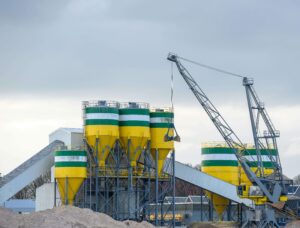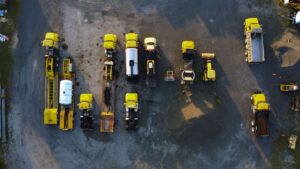
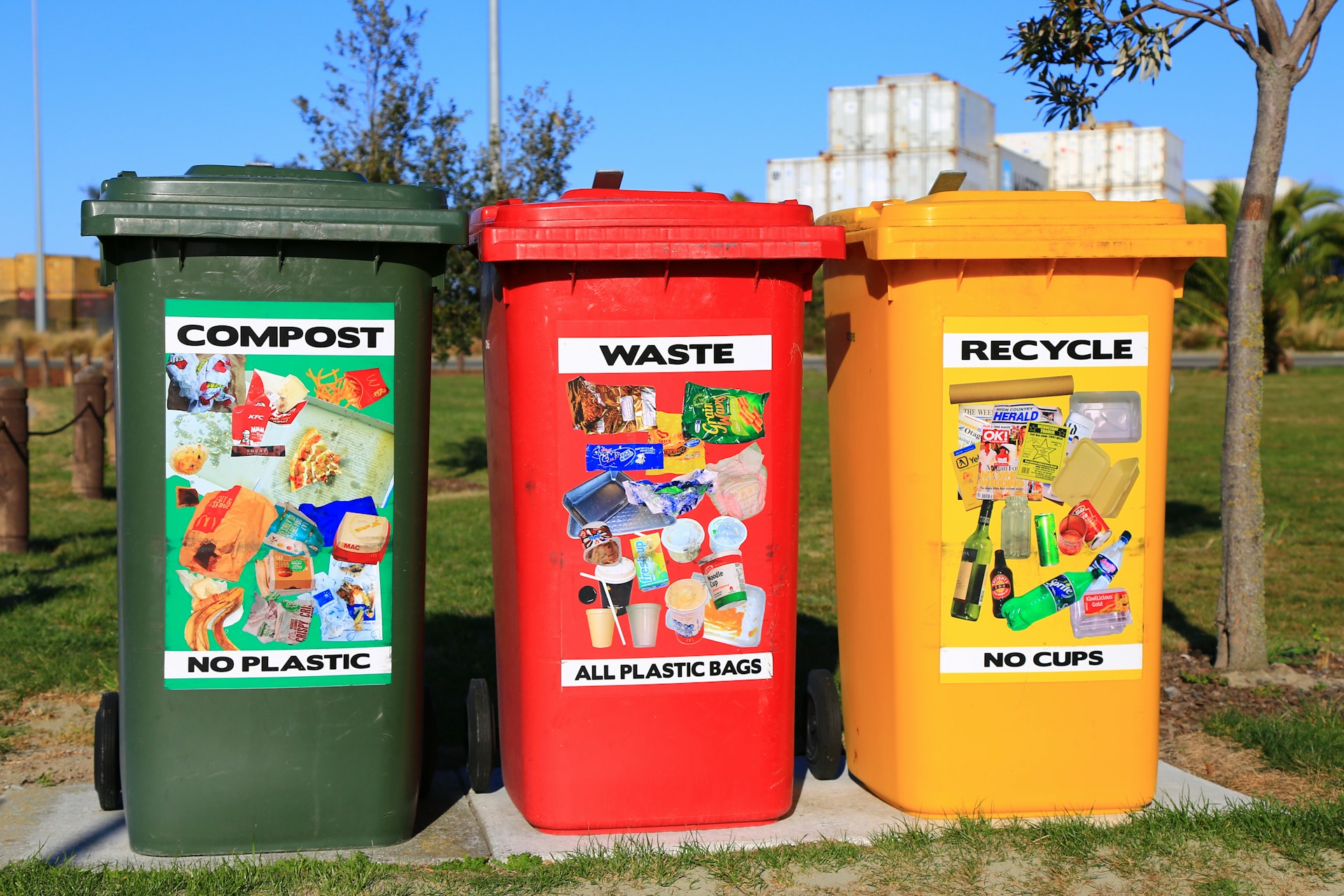
Every time an old building is demolished, a road is repaired, a bridge is reconstructed, or a new construction project begins, something massive gets generated besides dust and noise — waste.
Broken concrete, bricks, steel, plaster, tiles, asphalt, wood, rubble, and debris pile up in enormous quantities. Most people see this as garbage. Smart entrepreneurs see something completely different: a hidden industrial goldmine.
That opportunity is called the Construction & Demolition (C&D) Waste Recycling Business.
Construction waste recycling involves collecting, processing, crushing, sorting, and converting construction and demolition waste into reusable materials such as aggregates, paver blocks, recycled sand, road base materials, and recycled concrete products.
Think about it carefully. Cities are constantly being demolished and rebuilt. Old infrastructure gets replaced by new infrastructure. Buildings never stop changing. That means construction waste is not a temporary problem — it is a permanent industrial stream.
Instead of dumping this waste into landfills, recycling businesses convert it into valuable construction materials again. This creates a powerful circular economy business model where “waste” becomes raw material.
Globally, construction and demolition waste represents one of the largest waste streams generated by urbanization. Governments and environmental agencies increasingly encourage recycling because landfills are becoming overloaded and natural resource extraction is becoming more expensive.
India’s rapid urbanization, smart city projects, metro construction, highway development, real estate growth, and infrastructure modernization are generating enormous volumes of C&D waste every year.
This article explains the complete construction waste recycling business plan including setup, machinery, investment, profitability, operations, legal requirements, risks, and future opportunities.
Article Outline
- H1: Construction Waste Recycling Business Plan
- H2: What Is Construction Waste Recycling?
- H3: How the Recycling Process Works
- H3: Types of Recyclable Construction Waste
- H2: Why the Construction Waste Recycling Industry Is Growing
- H3: Urbanization and Infrastructure Demolition
- H3: Government Sustainability Push
- H2: Advantages of Starting a C&D Waste Recycling Business
- H3: Low-Cost Raw Material Advantage
- H3: Growing Environmental Demand
- H2: Types of Recycled Construction Products
- H3: Recycled Aggregates
- H3: Recycled Paver Blocks
- H3: Road Base and Fill Materials
- H2: Step-by-Step Business Setup
- H3: Waste Collection Systems
- H3: Crushing and Sorting Operations
- H3: Product Manufacturing and Sales
- H2: Investment Required
- H3: Small-Scale Plant Budget
- H3: Large Recycling Facility Budget
- H2: Machinery and Infrastructure Needed
- H2: Profit Margin and ROI Analysis
- H2: Marketing and Customer Acquisition
- H2: Operations and Waste Management
- H2: Risks and Challenges
- H2: Expert Tips for Higher Profitability
- H2: Future Scope of Construction Waste Recycling
- H2: Conclusion
- H2: FAQs
- H2: What Is Construction Waste Recycling?
What Is Construction Waste Recycling?
Construction waste recycling is the process of collecting and processing construction and demolition debris into reusable building materials.
Instead of sending demolition waste to dumping yards or landfills, recycling plants separate and process the materials for reuse in construction projects.
Common recyclable materials include:
- Concrete
- Bricks
- Asphalt
- Steel
- Wood
- Tiles
- Sand
- Rubble
Imagine a demolished building as a “material mine.” Even after demolition, many materials still retain industrial value if processed correctly.
The recycling business extracts that value.
The process typically includes:
- Waste collection
- Transportation
- Sorting and segregation
- Crushing and screening
- Product manufacturing
- Material resale
The recycled outputs are then sold back into construction ecosystems.
This creates a circular industrial model where old buildings help create new buildings.
How the Recycling Process Works
The recycling workflow usually includes:
- Demolition waste collection
- Removal of metals and contaminants
- Crushing concrete and rubble
- Screening different material sizes
- Manufacturing reusable products
Efficiency improves profitability significantly.
Types of Recyclable Construction Waste
| Waste Material | Recycled Output |
| Concrete | Aggregates |
| Bricks | Recycled sand and fillers |
| Asphalt | Road base material |
| Steel | Scrap recycling |
| Wood | Fuel or board products |
Different waste streams create different monetization opportunities.
Why the Construction Waste Recycling Industry Is Growing
Urbanization is one of the biggest reasons behind this industry’s growth.
Cities continuously expand and redevelop. Old structures get demolished to make way for:
- New apartments
- Highways
- Metro projects
- Commercial buildings
- Industrial parks
This generates enormous waste volumes.
Another major factor is environmental regulation. Governments increasingly discourage illegal dumping and encourage recycling practices.
Landfill space is also becoming limited and expensive in many regions.
At the same time, construction material costs continue rising. Recycled aggregates and recycled construction products offer cheaper alternatives in many applications.
India’s infrastructure boom is accelerating this trend.
Projects such as:
- Smart cities
- Metro rail systems
- Highway expansion
- Urban redevelopment
- Industrial corridors
all generate massive demolition and construction waste streams.
Urbanization and Infrastructure Demolition
Rapid redevelopment cycles continuously generate reusable waste materials.
Government Sustainability Push
Governments increasingly support sustainable construction and recycling ecosystems.
Advantages of Starting a C&D Waste Recycling Business
One of the biggest advantages is raw material availability. Construction waste is generated continuously in growing cities.
In many cases, waste generators actually pay disposal fees, creating additional revenue opportunities.
Another major advantage is sustainability positioning. Environmental businesses increasingly receive:
- Government support
- Regulatory encouragement
- Corporate interest
- Green branding advantages
The business also benefits from rising demand for low-cost construction materials.
Recycled products can often compete aggressively on price while maintaining acceptable quality standards for many applications.
Another hidden advantage is industry integration. Recycling businesses can integrate with:
- Stone crushing plants
- Brick manufacturing
- Paver block production
- RMC plants
- Road construction
This increases scalability significantly.
Low-Cost Raw Material Advantage
Waste materials often cost far less than virgin raw materials.
Growing Environmental Demand
Sustainable construction trends continue increasing globally.
Types of Recycled Construction Products
Different waste streams can produce multiple commercial outputs.
Recycled Aggregates
Crushed concrete and rubble become recycled aggregates used in:
- Road construction
- Backfilling
- Pavement base layers
- Non-structural concrete
This is one of the largest product categories.
Recycled Paver Blocks
Processed waste materials can help manufacture:
- Paver blocks
- Tiles
- Interlocking blocks
These products often target municipal and landscaping projects.
Road Base and Fill Materials
Recycled debris is frequently used in:
- Road sub-base layers
- Land filling
- Site leveling
Infrastructure projects consume huge material volumes.
Step-by-Step Business Setup
Building a recycling business requires operational planning and industrial systems.
Waste Collection Systems
Reliable waste sourcing is critical.
Sources include:
- Demolition contractors
- Construction sites
- Municipal corporations
- Infrastructure projects
Collection logistics strongly affect profitability.
Crushing and Sorting Operations
Processing involves:
- Segregation
- Crushing
- Screening
- Metal removal
- Material grading
Quality control matters significantly.
Product Manufacturing and Sales
Processed materials are sold to:
- Contractors
- Road projects
- Builders
- Municipal projects
- Landscaping companies
Strong distribution networks improve scalability.
Investment Required
Construction waste recycling is moderately capital-intensive.
Small-Scale Plant Budget
| Expense | Estimated Cost |
| Land | ₹5 lakh–₹50 lakh |
| Crusher Machinery | ₹10 lakh–₹1 crore |
| Sorting Equipment | ₹5 lakh–₹50 lakh |
| Vehicles | ₹5 lakh–₹50 lakh |
| Working Capital | ₹5 lakh–₹30 lakh |
Small recycling setups may start around ₹20 lakh–₹1 crore.
Large Recycling Facility Budget
Large industrial plants may require:
| Expense | Estimated Cost |
| Industrial Land | ₹50 lakh–₹10 crore |
| Automated Plant Machinery | ₹1 crore–₹20 crore |
| Fleet & Logistics | ₹20 lakh–₹5 crore |
| Infrastructure & Utilities | ₹50 lakh–₹5 crore |
Scaling requires significant operational systems.
Machinery and Infrastructure Needed
Key machinery includes:
- Jaw crushers
- Impact crushers
- Vibrating screens
- Magnetic separators
- Conveyors
- Loaders
- Excavators
Infrastructure may include:
- Waste yards
- Sorting zones
- Storage areas
- Workshops
- Water suppression systems
Dust control becomes extremely important operationally.
Profit Margin and ROI Analysis
Profitability depends heavily on waste sourcing efficiency and product sales.
| Revenue Source | Approximate Margin |
| Recycled Aggregates | 15–35% |
| Paver Blocks | 20–50% |
| Road Base Materials | 10–30% |
| Disposal Fees | Additional income source |
The biggest advantage is dual monetization:
- Waste processing fees
- Recycled product sales
Large infrastructure projects can consume enormous recycled material volumes.
ROI typically improves with scale and operational efficiency.
Marketing and Customer Acquisition
This business is heavily B2B-focused.
Main customer categories include:
- Contractors
- Municipal bodies
- Road construction firms
- Builders
- Infrastructure companies
Relationship building matters heavily.
Important marketing methods include:
- Government tenders
- Contractor networking
- Green branding
- Industrial partnerships
Environmental positioning increasingly improves credibility.
Operations and Waste Management
Operational discipline determines profitability.
Important areas include:
- Waste segregation
- Logistics coordination
- Dust suppression
- Machinery maintenance
- Product quality control
Technology adoption is increasing rapidly.
Modern recycling facilities increasingly use:
- Automated sorting
- AI waste recognition
- GPS fleet tracking
- Smart crushing systems
Operational efficiency improves margins significantly.
Risks and Challenges
Construction waste recycling also faces major challenges.
Key risks include:
- Regulatory approvals
- Waste contamination
- Dust pollution
- Transportation costs
- Market perception issues
- Machinery maintenance
Another major challenge is customer trust. Some buyers remain skeptical about recycled construction materials.
Education and quality consistency become extremely important.
Competition may also increase as sustainability trends grow.
Successful operators focus heavily on operational efficiency and product reliability.
Expert Tips for Higher Profitability
Experienced recycling entrepreneurs focus heavily on logistics and product diversification.
Important strategies include:
- Secure long-term waste contracts
- Reduce transportation costs
- Diversify recycled products
- Build municipal relationships
- Maintain strict quality control
Some businesses integrate vertically into:
- Paver block manufacturing
- Road contracting
- Aggregate supply
- Construction material trading
This increases margin control significantly.
One industry expert explained:
“In recycling, the real profit comes from turning disposal problems into valuable industrial products.”
That statement perfectly explains the business model.
Future Scope of Construction Waste Recycling
The future of C&D recycling looks extremely strong because urbanization and sustainability trends continue accelerating globally.
Several trends may drive future growth:
- Green construction
- Circular economy systems
- Smart cities
- Sustainable infrastructure
- Environmental regulations
- Resource shortages
Technology will likely transform the industry significantly.
Future plants may increasingly use:
- AI sorting systems
- Robotic segregation
- Automated crushing plants
- Smart recycling analytics
Governments may also increase mandates requiring recycled materials in infrastructure projects.
India’s massive urban redevelopment cycles create enormous long-term opportunities for recycling businesses.
Conclusion
The construction waste recycling business is one of the most powerful sustainability-driven industrial opportunities available today.
It combines:
- Waste management
- Construction materials
- Environmental solutions
- Industrial recycling
- Circular economy systems
The business rewards:
- Operational efficiency
- Logistics management
- Quality control
- Industrial networking
- Sustainability positioning
Unlike many traditional waste businesses, construction recycling transforms low-value debris into reusable industrial products with recurring demand.
As urbanization, infrastructure development, and sustainability regulations continue expanding, construction waste recycling may become one of the most important industrial sectors of the future.
Entrepreneurs who build organized recycling systems today may position themselves inside one of the fastest-growing green industries of the coming decades.
FAQs
1. How much investment is needed to start a construction waste recycling business?
Small setups may start around ₹20 lakh–₹1 crore, while large industrial recycling plants may require multi-crore investment.
2. Is construction waste recycling profitable?
Yes, especially when waste sourcing, logistics, and recycled product sales are managed efficiently.
3. Which recycled products are most profitable?
Recycled aggregates, paver blocks, road base materials, and processed construction fillers are among the strongest categories.
4. What is the biggest challenge in this business?
Waste transportation, contamination management, and market acceptance are among the biggest challenges.
5. Who are the main customers?
Main customers include:
- Contractors
- Builders
- Municipal corporations
- Road construction firms
- Infrastructure companies